Why Winter Is the Best Time to Visit Amritsar:
Visiting Amritsar in winter is not just a good idea; it is one of the best ways to truly experience the city’s soul. The combination of pleasant weather, rich history, spiritual calm and festive energy makes the winter season (December to February) the ideal time to explore Amritsar in a relaxed and meaningful way.
Introduction: Amritsar’s Winter Charm
Amritsar, the spiritual and cultural heart of Punjab, changes its mood with every season, but winter gives it a special glow. The streets are less harsh, the air feels crisp and the city’s heritage, spirituality and food can be enjoyed without the exhaustion of extreme heat. Instead of rushing from one place to another, winter lets you slow down and actually feel the atmosphere of the city.
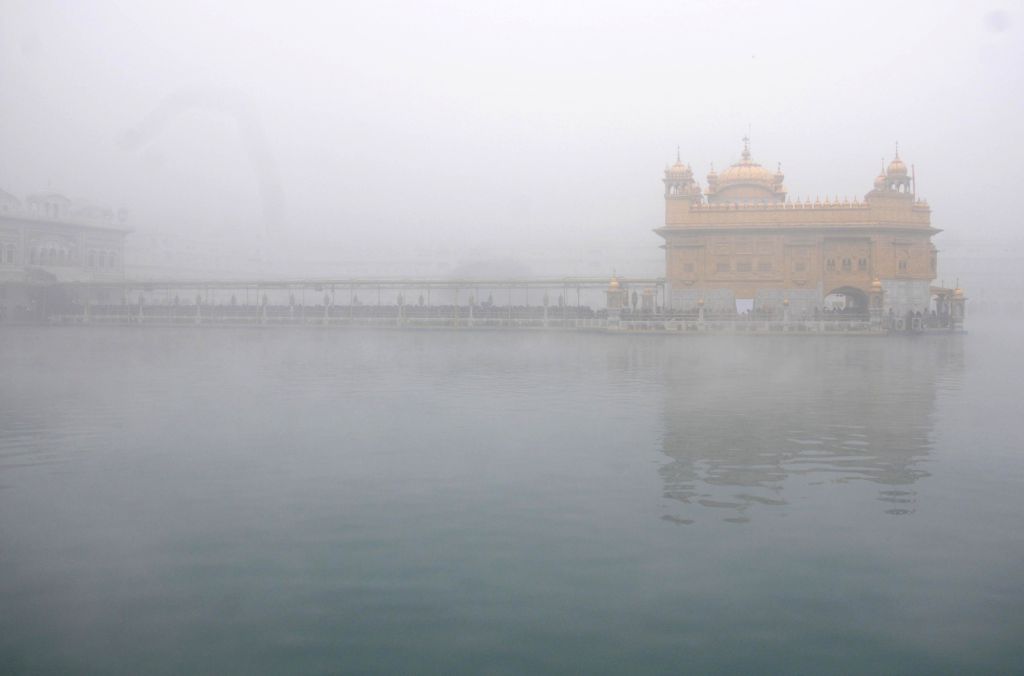
From the Golden Temple covered in soft morning mist to the smoky fragrance of tandoors in old lanes, every corner of Amritsar in winter carries a unique warmth that contrasts beautifully with the chilled air. Whether you are travelling solo, with family or on a spiritual journey, winter turns the city into a comfortable, welcoming canvas.
Pleasant Winter Weather
One of the strongest reasons to visit Amritsar in winter is the comfortable climate. During December, January and February, temperatures usually range between around 5°C at night and up to about 18–20°C during the day, which makes walking, exploring and sightseeing far more pleasant than in the summer months when the city can get extremely hot.
The softer sun of winter allows you to spend long hours outdoors without feeling drained. You can walk through markets, stand in queues at popular eateries, visit multiple historical sites in a day and still feel fresh enough to enjoy the evenings. The early morning fog that often settles over the city adds a gentle, mystical layer to everything, especially around water bodies and heritage structures, making even simple scenes look almost cinematic.
For travellers who like photography, this fog and diffused winter light create natural filters. For those who simply want peace, the slow, quiet winter mornings offer a beautiful space to breathe, sit and observe the city waking up at its own pace.
A Divine Winter at the Golden Temple
No visit to Amritsar is complete without the Golden Temple and in winter, the experience becomes even more special. Entering the complex in the early morning or late evening, with a light chill in the air, barefoot on the cool marble, immediately makes you more aware and present. The combination of cold air, warm lighting and the sound of continuous kirtan creates a spiritual atmosphere that feels both calming and intense.
The reflection of the illuminated Harmandir Sahib in the Amrit Sarovar looks especially stunning in winter light. The mist in the air often softens the surroundings, making the golden structure appear even more serene and surreal. Sitting near the Sarovar, wrapped in a shawl, listening to kirtan as the sun rises or sets is an experience that can stay with you for a very long time.
Langar Sahib, the community kitchen that serves free meals to everyone, also feels extra comforting in winter. Eating a simple, hot meal – usually consisting of dal, roti, sabzi and kheer – after spending time in the cold, brings a sense of warmth not only to the body but also to the heart. The sight of volunteers working tirelessly, washing utensils in cold water and cooking for thousands of people every day, adds a powerful message of equality, service and humility to your visit.
Winter Festivals: Lohri, Maghi and More
Winter in Amritsar is festival season, which makes the city even more alive and energetic. Two of the main Punjabi winter festivals fall in January:
- Lohri (13 January): Celebrated with bonfires, folk songs and traditional dances, Lohri marks the end of peak winter and is closely associated with harvest and community bonding.
- Maghi (14 January): Observed the day after Lohri, Maghi carries religious and spiritual significance and is connected with remembrance, new beginnings and, in Sikh tradition, the sacrifice of the Forty Liberated Ones.
Being in Amritsar around these dates allows you to see how local families celebrate: bonfires in neighbourhoods, children singing traditional songs, elders sharing stories and everyone coming together in the warmth of community spirit. You may also find special kirtan programs, gatherings and festive meals.
Towards the end of January, Republic Day (26 January) adds another layer of emotion and patriotism. Flags, parades and patriotic songs in schools and public spaces remind you of the city’s historical connection with India’s freedom struggle and its role as a border city.
These festivals are not just “events” for tourists; they are lived experiences for the people of Amritsar. As a visitor in winter, you get to witness this rhythm of community life from close quarters.
The Wagah Border in Cool Weather
The Wagah–Attari Border, located around an hour’s drive from Amritsar, hosts the daily Beating Retreat Ceremony that attracts visitors from all over India and abroad. Watching soldiers from both sides perform synchronised, high-energy drills with patriotic slogans and cheering crowds is a powerful, emotional experience.
In summer, sitting in the open stands for an hour or more can be tiring due to the intense heat. In winter, the cool air makes it far more comfortable to sit, watch and fully engage with the ceremony. The sunset during the winter months often paints the sky in soft golden and orange shades, enhancing the drama and beauty of the moment when the flags are lowered and the gates between the two nations are closed for the day.
The energy of the crowd, echoing chants, flying flags and marching boots, combined with the crisp winter breeze, make the ceremony feel even more impactful. It becomes not just a tourist attraction but an emotional reminder of borders, history and national pride.
Winter Food: Amritsar’s Comfort on a Plate
Amritsar is famous for its food in every season, but winter takes the experience to another level. The natural craving for hot, rich, comforting dishes fits perfectly with Punjabi cuisine, which is known for its generous use of ghee, butter and robust spices.
Some winter must-haves include:
- Makki di roti & sarson da saag: A classic Punjabi winter dish, made with maize flour flatbreads and mustard greens, often topped with a dollop of white butter.
- Amritsari kulcha with chole: Crisp, stuffed flatbreads baked in a tandoor, served with spicy chickpeas, pickles and onions – perfect on a cold morning or afternoon.
- Gajar ka halwa: A sweet dish made with slow-cooked grated carrots, milk and dry fruits, served hot, especially popular during winter months.
- Piping hot chai, masala tea and creamy lassi: Tea stalls and small shops across the city provide warmth in a cup, while lassi – though often associated with summer – is enjoyed year-round by locals.
Street food areas like Lawrence Road, Hall Bazaar and old-city lanes near the Golden Temple feel extra lively in winter evenings. The smoke rising from tandoors, the aroma of frying pakoras and the sight of people huddled together around small tables create a cosy, vibrant atmosphere. Winter lets you enjoy all this without feeling overly tired, sweaty or dehydrated, making food exploration one of the highlights of a winter trip.
Exploring History at a Relaxed Pace
Amritsar has seen some of the most important and painful chapters of Indian history and its historical sites deserve time and attention. Winter, with its gentle climate, makes it easier to explore these places slowly and thoughtfully.
Key places to visit include:
- Jallianwala Bagh: The memorial built at the site of the tragic 1919 massacre is a place of silence and reflection. In winter, sitting quietly in the garden, reading the inscriptions and walking through the narrow passage feels more bearable and less exhausting.
- Partition Museum: Located near the Town Hall, this museum documents the stories, voices and memories of the Partition of 1947. The emotional weight of the exhibits can be intense and winter’s calm weather helps you spend more time reading, listening and understanding without physical discomfort.
- Ram Bagh and Maharaja Ranjit Singh Panorama: These offer a glimpse into the life and times of Maharaja Ranjit Singh, the legendary Sikh ruler. The gardens and museum can be enjoyed more comfortably in the cooler months, making it easier to walk around and absorb the details.
Because winter generally sees fewer tourists than peak holiday times like summer vacations, many of these sites feel quieter and more peaceful. You get space to stand back, think and truly connect with what you are seeing instead of rushing through crowded corridors.
Budget-Friendly and Comfortable Travel
Winter in Amritsar (especially outside major festival dates and New Year) can be friendlier on the pocket. Many hotels, guest houses and homestays offer competitive rates and you often get better value for money in terms of service and comfort.
Because the weather is pleasant, you do not need to spend extra on cooling or constantly buying cold drinks and you can use local transport, autos and walking more conveniently. This naturally reduces overall fatigue and expenses. For travellers planning short budget trips or weekend getaways, winter offers a good balance between affordability and quality of experience.
A Season Made for Photography and Content
For photographers, vloggers and content creators, winter in Amritsar is quite rewarding. The combination of soft sunlight, foggy mornings and golden evenings creates naturally beautiful lighting conditions. The Golden Temple is covered with mist, narrow old lanes lit by warm bulbs, steam rising from food stalls, the colours of woollen shawls and sweaters in markets – all of these make for visually rich frames.
Even simple scenes, like a tea vendor pouring chai into small glasses or a group of people sitting around a fire on the roadside, gain a storytelling depth in winter. If you create travel content, winter gives you a variety of moods in a single day – quiet mornings, bright afternoons, glowing evenings and cool nights.
Why Winter Brings Out the “Real” Amritsar
Beyond weather and festivals, there is a deeper reason why winter feels like the right time for Amritsar. The city’s identity is built on warmth, resilience, faith and community and winter naturally brings all these to the surface. People light fires, share tea, cover each other with shawls, welcome guests with extra care and spend more time in kitchens and gurdwaras – all the spaces where connection grows.
As a visitor in winter, you are more likely to notice small, genuine moments:
- An elderly person sitting in the sun outside their house, chatting with neighbours.
- Families walking together to the Golden Temple in the early morning.
- Children running through foggy streets on their way to school.
These little scenes are not tourist “attractions” but they reveal the essence of the city – simple, strong and warm-hearted, even in the coldest months.
Final Thoughts: Why Winter Is the Best Time
Visiting Amritsar in winter is not just about ticking places off a list; it is about experiencing the city in a way that feels calm, deep and truly memorable. The weather supports long days of exploration, the Golden Temple feels even more divine, festivals bring colour and meaning, food becomes comfort and history feels closer and more real.
If you want to experience Amritsar beyond just quick sightseeing – to sit, observe, taste, feel and connect – winter is the season that supports all of that. It allows the city to open up gently, layer by layer, until you realise that you are not just visiting a destination; you are spending time with a living, breathing culture that knows how to stay warm, even when the air turns cold.